If you work with high-voltage electrical equipment—say, transformers, circuit breakers, or gas-insulated switchgear (GIS)—you’ve probably heard of SF₆ analyzers. These devices are the unsung heroes of electrical maintenance, keeping your grid running safely by testing the purity, moisture, and decomposition levels of sulfur hexafluoride gas. But here’s a question I get all the time from techs and plant managers: “What powers these things? I’ve hooked up multimeters to mine and seen weird readings, and I don’t want to mess up my expensive analyzer.” As someone who’s been supplying SF₆ analyzers for over a decade, I’ve walked new users through power setups more times than I can count, and I’ll break this down like we’re chatting over coffee, no stuffy engineering jargon. SF6 Analyzer
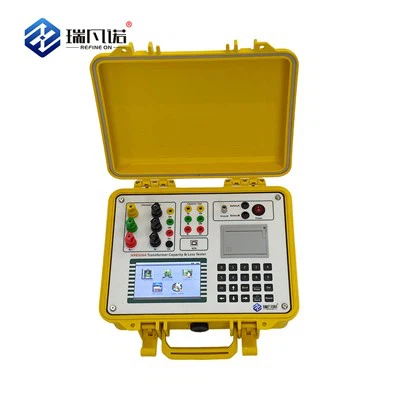
First off, let’s get this straight: SF₆ analyzers aren’t one-size-fits-all when it comes to power. The right source depends on where you’re using it—are you in a lab, a substation with a permanent power grid hookup, or out in the field with no AC nearby? Most modern analyzers (the ones we supply) run on three main power types, and each has its own pros, cons, and gotchas that you need to know about. Let’s dive into each one, starting with the most common for fixed setups.
- AC Mains Power (Grid Hookup)
This is the power source you’ll find in labs, permanent test bays, or substations that have a dedicated power outlet for test equipment. Most of our standard analyzers work on 100–240V AC, 50/60Hz—so it’s flexible enough for use in North America, Europe, Asia, you name it. Why’s this the go-to? No batteries to charge mid-test, no low-power alerts popping up when you’re half-way through a moisture measurement, and it’s cheap if you’re testing multiple samples all day long.
But here’s the thing: You can’t just plug it into any random outlet. I’ve seen techs grab a 110V extension cord run off a shop floor that’s shared with heavy machinery (like forklifts or welders) and get garbage readings. Why? Fluctuating voltage. SF₆ analyzers are precision devices; if the power dips below 90V AC or spikes over 260V, it’ll either shut down mid-test or give you false data. That’s why all our analyzers have a built-in power conditioner, but it’s not a magic fix for bad power. If you’re using AC mains, stick to a dedicated outlet on a circuit that’s only for test equipment, not shared with other high-draw gear. Also, always check the local voltage specs before ordering—we stock 120V and 240V units for North America, and 230V for most of the EU, so just let your rep know what you need.
Another pro for AC mains: You can keep the analyzer hooked up 24/7, and it’ll go into a low-power sleep mode when not in use, which is perfect if you’re doing scheduled daily tests. We actually recommend this for labs because if you have the analyzer ready to go, you don’t waste time waiting for it to boot up when a test order comes in. Cons? You’re tied to an outlet, so if you’re working out in the boonies at a remote substation, this isn’t an option. Also, power outages can ruin in-progress tests if your analyzer doesn’t have battery backup, which brings us to the next power source.
- Rechargeable Lithium-Ion (Li-ion) Batteries
This is the workhorse for field use, and it’s what most portable SF₆ analyzers run on. The lithium-ion battery tech we use in our portables is a huge upgrade from the old NiCd batteries of 10 years ago—no memory effect, holds a charge way longer, and can handle temperature swings better. A fully charged battery will last 8–12 hours of continuous testing, which is enough to check 20–30 gas samples out in the field without needing a charge.
But let’s talk about real-world use, not the marketing hype. I once had a customer call me panicking because his analyzer died mid-test at a substation in the Arizona desert. Turns out, he left it sitting in his truck in 105°F heat during the day, and the battery’s capacity dropped by 40% in 2 hours. Li-ion batteries hate extreme temperatures—below 32°F or over 100°F, their performance plummets. That’s why we add a battery heating/cooling module to our premium field analyzers; it keeps the battery at a consistent 70°Fish, even when the weather’s nuts.
Another tip: Don’t use your analyzer while it’s charging. I know it’s tempting when you’re on a tight schedule, but plugging a Li-ion battery into the analyzer while it’s running will cause voltage fluctuations that mess up test results. We’ve had users miss regulatory compliance because of that exact mistake. Also, store your battery at 50% charge if you’re not using the analyzer for a month—full charge or empty charge can kill the battery’s lifespan over time. It’s a small habit that saves you from having to replace a $200 battery every year.
- Portable Power Supplies (External Batteries)
Wait, what if you need even more power for long field jobs? Like, if you’re testing a whole row of GIS bays over two days, and you don’t want to carry spare Li-ion batteries? That’s where external portable power banks come in, but not just any power bank. You need one that outputs the right voltage and wattage for your analyzer. Our analyzers draw around 50W when in use, so you don’t need a 200,000 mAh bank, but you do need one with a pure sine wave output. Cheapo power banks with modified sine wave can cause the analyzer’s electronics to glitch, same as bad AC power.
I’ve tested a bunch of off-the-shelf power banks with our analyzers, and the ones that work best are the industrial-grade ones rated for 100–240V AC output, with at least 100W of capacity. We actually sell a 150W portable power bank as an accessory for our field analyzers—it adds another 20 hours of run time, is dust and water-resistant (IP65), which is perfect for muddy substations or rainy job sites. Pro tip: Avoid car jump starters as a power source. Most of them have modified sine wave, and I’ve had more than one customer fry a small component in their analyzer trying to use one.
Now, let’s clear up some common myths I hear all the time. First: “Can I use solar power to run my SF₆ analyzer?” Yep, you can, but only if you have a charge controller that regulates the voltage to your analyzer’s specs. We don’t sell solar kits specifically for analyzers, but our techs have worked with customers to set up 100W solar panels for remote test sites, as long as they pair it with a pure sine wave inverter that’s matched to the analyzer’s power needs. Just don’t skimp on the inverter—cheap ones will mess up your tests.
Another myth: “The power source doesn’t matter as long as it turns on.” No way. SF₆ analyzers measure tiny changes in gas purity, moisture, and decomposition products—often in parts per million (ppm) or even parts per billion (ppb). Even a 5% voltage fluctuation can throw a moisture reading off by 10–15 ppm, which is the difference between passing a regulatory inspection and failing. If you’re working in a regulated industry (which most electrical utilities are), that’s a big deal. We always tell new customers to test their power source before starting a critical test—hook up a multimeter to the analyzer’s power input and check that it’s within the recommended voltage range before you connect the gas sample.
Wait, also—what about fixed analyzers, the ones that are permanently installed in GIS or switchgear? Oh right, I didn’t forget those. Fixed online SF₆ analyzers usually run on the same AC mains power as the equipment they’re monitoring, but they also have a small backup battery (usually a 12V sealed lead-acid) to keep basic functions running during power outages. That way, they can log data and alert you if gas levels spike while the grid is down. But we always recommend pairing fixed analyzers with an uninterruptible power supply (UPS), not just a backup battery. A UPS will smooth out any voltage dips or spikes, so the analyzer doesn’t get damaged during brownouts. It’s a small investment that saves you from having to replace an entire $10,000 analyzer because of a power surge.
So, to wrap this up: The power source for your SF₆ analyzer isn’t just a “plug and play” afterthought. It depends on whether you’re working in a lab or out in the field, how many tests you’re doing, and what the weather’s like. AC mains are great for fixed setups, Li-ion batteries are perfect for portable field use, and external power banks or industrial UPS systems are for when you need extra power or protection.
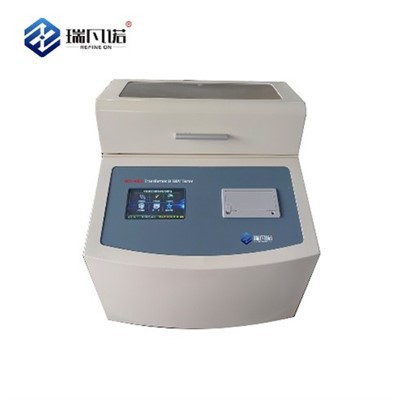
If you’re not sure which power setup is right for your analyzer, or if you’re having issues with power affecting your test results, don’t guess. Our team has helped hundreds of utilities, industrial plants, and test labs choose the right power source for their needs—no sales pitch, just straight-up advice. If you’re ready to find an analyzer that works for your workflow, or you need help troubleshooting a power issue with your existing unit, get in touch with our team. We’re here to make sure your SF₆ testing is accurate, reliable, and doesn’t get derailed by a bad power source.
Hipot Tester References
- IEC 60480:2019, Guide to the Checking of Sulfur Hexafluoride (SF₆) in Electrical Equipment for Leakage, Purity and Decomposition Products
- US Department of Energy, “Best Practices for Electrical Maintenance: SF₆ Gas Management”
- Lithium-Ion Battery Association, “Temperature Effects on Portable Industrial Battery Performance”
- IEEE Standard 1125-2018, Recommended Practice for the Maintenance of Sulfur Hexafluoride (SF₆) Electrical Equipment
Refine On (Hebei) Electric Power Technology Co., Ltd.
Refine On (Hebei) Electric Power Technology Co., Ltd. is one of the most reliable sf6 analyzer manufacturers and suppliers in China, also supports customized service. Please feel free to wholesale advanced sf6 analyzer at competitive price from our factory. Contact us for quotation.
Address: Building 13, Liandong U Valley, No.64, Jing SAN South Street, Economic Development Zone, Mancheng District, Baoding City, China
E-mail: victor@transformer-test.com
WebSite: https://www.transformer-test.com/
