If you’ve ever stepped into a busy print shop, you know the printing press is the heart of the whole operation—running nonstop, cranking out everything from business cards to brochures, and keeping your business afloat. But let’s be real: these machines are not toys. They’re heavy, fast, and packed with moving parts that can cause serious injury if you don’t know what you’re doing. As a printing press machinery supplier, I work with shops every single week, and 9 out of 10 safety incidents I hear about happen because someone skipped a basic precaution, cut a corner, or thought “it won’t happen to me.” I’m not here to lecture— I’m here to lay out the stuff that actually keeps your team safe, no fancy jargon, just the real deal we’ve learned from helping shops install machines, train staff, and fix the mess when things go wrong. Printing Press Machinery

First, let’s talk about the stuff you see every day but almost ignore: the guards. Almost every modern printing press has physical guards—metal covers, shields, barriers, whatever you want to call them—that lock into place when the machine is running. I’ve had shop foremen say, “My guys know what they’re doing, they don’t need the guard.” Newsflash: even experienced operators make mistakes. One second you’re adjusting a paper misfeed, the next your sleeve gets caught in the roller and before you can react, your arm’s pulled into the machinery. Those guards aren’t just for show. Don’t ever remove, disable, or bypass them. If a guard is broken, don’t let your team use the machine until it’s fixed—we stock replacement guards for most common press models, so you don’t have to leave your shop down. Also, lockout/tagout (LOTO) procedures aren’t just OSHA buzzwords—when you’re doing maintenance, cleaning, or jams, you have to cut the power completely, lock the machine, and keep the key in your pocket. I’ve seen a guy reach into a press to pull a crumpled paper, and someone accidentally hit the start button from across the shop. It only takes one second. LOTO isn’t optional—it’s non-negotiable.
Next up: training. It blows my mind how many small print shops hire a new press operator and just point at the machine and say “figured it out yet?” Printing presses aren’t like office printers—they have levers, rollers, pressure settings that can change from job to job, and quirks you only learn from hands-on training. As a supplier, we don’t just sell you a press and disappear. We offer on-site training for your team, because we’ve built these machines, we know how they work inside and out. New operators need to learn the basics before they touch the running press: how to spot a jam, how to adjust settings without getting too close, what the emergency stop button actually does (and where it is, because so many shops have them hidden behind boxes or stacked paper). Even old hands need refreshers— every press is a little different, and if you haven’t run that model in six months, you’re way more likely to make a mistake. I can’t tell you how many times a shop has called us because their veteran operator tried a shortcut on a new press and got hurt.
Personal protective equipment (PPE) is another thing people skip. Let’s get this straight: no one looks cool in safety glasses or non-slip boots, but they save lives. Safety glasses aren’t just for sawmills—ink splatter, paper chips, loose bolts can fly off a press at 1,000 feet per minute, and one eye injury can end a career in a second. Gloves? Wait—hold on, not just any gloves. Work gloves with grip are fine for handling paper or ink cans, but never wear gloves when the press is running. Gloves can catch on rollers, yank your hand in before you even react. I’ve seen guys walk out of the shop with a glove stuck in the roller and a messed up finger, just because they thought it’d be easier to hold the paper with a glove. Skip the gloves when the machine’s on. Also, hearing protection—print shops are loud, like 85 decibels or higher, which over time causes permanent hearing loss that can’t be fixed. Earplugs or earmuffs aren’t optional, even if your team says they’re fine. We sell PPE that fits right for press operators too, so you don’t have to hunt for stuff that actually works.
Jams are the biggest culprit of injuries in print shops. Everyone panics when a press jams—they just want to get it running again, right? So they reach in while the machine’s still on, or try to yank the paper out hard, or stick a screwdriver in to pry it loose. That’s how accidents happen. First thing: stop the press. Hit the emergency stop. Wait for all the moving parts to come to a complete stop—don’t rely on the press to shut down immediately, some have a delay. Then, if you need to reach in, turn off the main power. Even if the machine looks dead, sometimes a residual spark can start it up. For stubborn jams, use a plastic or wooden tool— never metal. A screwdriver can slip, stab you, or scratch the rollers, which messes up your print quality later. We always tell shops to keep a set of non-conductive tools right by the press for jams, no exceptions.
Then there’s housekeeping. It sounds trivial, but a messy shop is a dangerous shop. Paper stacks by the press, spilled ink on the floor, loose screws, excess ink left on the counter—all of this leads to slips, trips, and even fires. Printing presses use a lot of paper, and a big pile of loose paper right next to a hot component of the press? That’s a fire hazard waiting to happen. Every night before the team leaves, they should clean up their work area: wipe up spilled ink, stack paper properly, throw away excess materials, and make sure the press is shut down completely (power off, ink trays empty, covers on). I’ve had a shop’s press catch fire because a leftover ink rag was left on a hot roller, and it took out half their stock. A 5-minute clean-up at the end of the shift can save you thousands, and keep your team safe.
Wait, let’s talk about machine-specific stuff too. Different presses have different quirks. For example, offset presses have huge cylinders that can crush anything in their path, digital presses have toner cartridges and heat rollers that get super hot. If you’re running a large format press, you have to be careful with the sheet feeders and the takeaway conveyor—they move fast, and loose sheets can get pulled under the conveyor. As your supplier, we tell you exactly what to watch out for on the model you buy, but it’s on you to make sure every operator knows those quirks. Never modify a press unless we tell you it’s safe. I’ve seen shops drill a hole in a guard to make it easier to adjust the press, and that hole became a place where a operator’s sleeve got caught. All modifications should be approved by us first, because we know what changes will mess up the safety features.
Another big one: warning signs. If your press has a missing label that says “hot surface” or “moving part,” replace it immediately. Those labels aren’t just decorative—they’re a reminder for every operator, even the one who’s run the press a hundred times. A label that’s faded or peeled off is basically invisible, so grab a pack of replacement labels from us, stick them on the right spots, and make sure everyone knows what they mean. No guessing.
Also, don’t ignore small issues. If a press makes a weird noise, or a lever feels off, or a guard wiggles a little, get it fixed right away. A lot of shops wait until something breaks bad, but that weird noise could be a roller about to fly off, or a loose bolt that could cause a jam. We offer same-day service calls for that exact reason—you don’t want to wait a week to fix a small thing that could lead to a big accident. As your supplier, we’re here not just to sell you a machine, but to keep it running safely for years.
Let’s wrap this up: safety isn’t a one-time thing. It’s a habit, something you talk about every day, not just when there’s a incident. It’s checking the guards before every shift, making sure PPE is being worn, training new hires properly, cleaning up the shop, and fixing small problems before they turn big. If you take safety seriously, your team will be happier, you’ll avoid downtime, and you won’t have to deal with the stress of an injury or a machine breakdown.
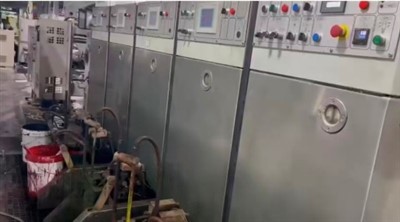
If you’re in the market for a new printing press, or you need to upgrade your current machine to make it safer, we can help. We have models for every size shop, from small home operations to large commercial print houses, and we’ll work with you to make sure you get the right press for your needs, plus the training and support to keep your team safe. Hit us up to chat through what you’re looking for—we’re here to make sure your print shop runs smooth, and most importantly, runs safe.
Flexible Packaging Printing References:
Occupational Safety and Health Administration (OSHA) Printing Press Safety Guidelines
National Institute for Occupational Safety and Health (NIOSH) Machine Guarding Recommendations for Printing Equipment
Printing Industries of America (PIA) Safety Manual for Commercial Print Operations
American National Standards Institute (ANSI) Standard for Printing Press Safety (ANSI B65.1)
Guangzhou HS Machinery Co., Ltd.
We’re well-known as one of the leading printing press machinery manufacturers and suppliers in China. Please feel free to buy cheap printing press machinery for sale here from our factory. Quality products and low price are available.
Address: Xiaowu 1st Industrial Area, Xiaowu Village, Dongchong Town, Nansha, Guangzhou, China
E-mail: vipmachinery@126.com
WebSite: https://www.cartonboxsolutions.com/
