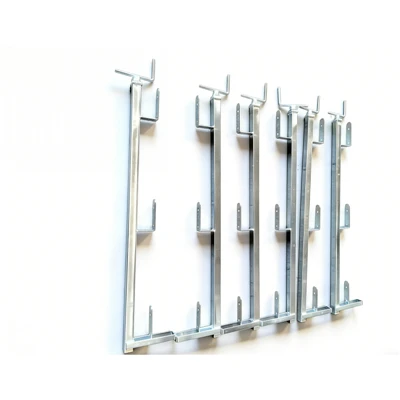
As a seasoned formwork accessory supplier, I’ve witnessed firsthand the importance of proper storage in preventing damage to these essential construction components. Formwork accessories, including clamps, ties, bolts, and connectors, play a crucial role in ensuring the stability and integrity of formwork systems. However, if not stored correctly, they can be prone to corrosion, deformation, and other forms of damage, which can compromise their performance and lifespan. In this blog post, I’ll share some practical tips and best practices on how to store formwork accessories to prevent damage and ensure their long – term usability. Formwork Accessory
Understanding the Risks of Improper Storage
Before delving into the storage methods, it’s essential to understand the potential risks associated with improper storage. Formwork accessories are often made of metal, which is susceptible to corrosion when exposed to moisture, oxygen, and certain chemicals. Rust can weaken the metal structure, leading to reduced strength and functionality. Additionally, if accessories are stacked haphazardly or without proper support, they can become deformed, making them difficult or impossible to use.
Choosing the Right Storage Location
The first step in proper storage is selecting an appropriate location. Ideally, the storage area should be dry, well – ventilated, and protected from the elements. A climate – controlled warehouse is the best option, as it allows you to control temperature and humidity levels, which are critical in preventing corrosion.
If a climate – controlled warehouse is not available, a covered shed or a storage room with a good roof can also work. However, you need to ensure that there are no leaks and that the area is elevated to prevent water from pooling around the stored accessories. Avoid storing formwork accessories directly on the ground, as this can expose them to moisture and dirt. Instead, use pallets or racks to keep them off the floor.
Cleaning and Inspecting Before Storage
Before storing formwork accessories, it’s crucial to clean them thoroughly. Remove any dirt, debris, concrete residue, or other contaminants using a wire brush, compressed air, or a mild detergent. Cleaning not only helps prevent corrosion but also allows you to inspect the accessories for any signs of damage, such as cracks, bends, or worn – out parts.
Inspect each accessory carefully. If you find any damaged items, separate them from the rest and decide whether they can be repaired or need to be discarded. This step ensures that only functional and safe accessories are stored, reducing the risk of using faulty components in future projects.
Organizing and Categorizing
Proper organization is key to efficient storage and easy access to formwork accessories. Categorize the accessories based on their type, size, and function. For example, group all the clamps together, separate the ties by length, and keep the bolts and nuts in labeled containers.
You can use storage bins, shelves, or cabinets to keep the accessories organized. Label each storage unit clearly, indicating the type and size of the accessories inside. This makes it easier for your staff to find the right accessories when needed, reducing the time spent searching and minimizing the risk of damage during the retrieval process.
Protecting Against Corrosion
As mentioned earlier, corrosion is one of the biggest threats to formwork accessories. To protect against corrosion, consider applying a protective coating. There are several types of coatings available, such as anti – rust paints, lubricants, and waxes.
Anti – rust paints provide a durable barrier that prevents moisture and oxygen from reaching the metal surface. They are suitable for long – term storage. Lubricants and waxes, on the other hand, can be used for short – term protection. They create a thin film that repels water and reduces friction, which can also help prevent corrosion.
Another effective way to prevent corrosion is to use desiccants. Desiccants are substances that absorb moisture from the air. You can place desiccant packs in the storage containers or in the storage area to keep the air dry.
Stacking and Supporting
When stacking formwork accessories, it’s important to do it in a way that ensures stability and prevents deformation. Avoid stacking heavy items on top of lighter or more fragile ones. For example, don’t stack large clamps on top of small bolts.
Use proper support structures when stacking. If you’re stacking long ties or bars, use racks with evenly spaced supports to prevent them from bending under their own weight. For bulky items, such as large formwork panels or heavy connectors, make sure they are placed on a flat and stable surface.
Regular Maintenance and Inventory Checks
Storing formwork accessories is not a one – time task. Regular maintenance and inventory checks are essential to ensure that the stored items remain in good condition. Schedule periodic inspections of the storage area to check for any signs of damage, corrosion, or pest infestation.
Conduct inventory checks at least once a month. This helps you keep track of the quantity and condition of your formwork accessories. If you notice any discrepancies or issues, take immediate action to address them. For example, if you find that a particular type of accessory is running low, place an order to replenish your stock.
Training Your Staff
Proper storage of formwork accessories is not only about following the right procedures but also about having a well – trained staff. Make sure your employees understand the importance of proper storage and are familiar with the storage procedures and best practices.
Provide regular training sessions on storage techniques, safety measures, and the importance of preventing damage to formwork accessories. Encourage your staff to report any issues or concerns related to storage or the condition of the accessories promptly.
Conclusion
Proper storage of formwork accessories is essential for preventing damage, ensuring their long – term usability, and maintaining the quality and safety of your products. By choosing the right storage location, cleaning and inspecting the accessories before storage, organizing and categorizing them, protecting against corrosion, stacking and supporting them properly, conducting regular maintenance and inventory checks, and training your staff, you can significantly reduce the risk of damage to your formwork accessories.
Steel Formwork If you’re in the market for high – quality formwork accessories or need more advice on their proper storage and usage, I’d love to have a conversation with you. Feel free to reach out and start a procurement discussion. We’re committed to providing you with the best products and solutions for your construction needs.
References
- Construction Equipment Handbook, various editions
- Metal Corrosion and Protection Manual
- Best Practices in Construction Material Storage Guidelines
Rizhao Wellfit Scafform Co., Ltd.
As one of the most professional formwork accessory manufacturers and suppliers in China, we have world-leading production equipment and strong manufacturing capabilities. Please feel free to buy high quality formwork accessory at competitive price from our factory.
Address: No. 7, Huasheng Road, Taoluo Town Industrial Zoon, Donggang District, Rizhao City
E-mail: sales@wfscafform.com
WebSite: https://www.wfscafform.com/
