If you’ve ever blended a fresh smoothie at 7 a.m. before heading to work, hit the road, and wondered if your go-to stainless steel insulated flask can hold onto that creamy, nutrient-packed drink until lunch, you’re not alone. As a supplier of stainless steel insulated flasks, I get this question at least once a week—sometimes from parents packing school lunches, sometimes from hikers who want their post-trail greens to stay cold, sometimes from baristas testing on-the-go cold beverage options. The short answer is yes, you absolutely can put smoothies in a stainless steel insulated flask, but there are a few key details about how stainless steel works, how flasks are designed, and how smoothies are made that make a huge difference between a good result and a bad, watery, or off-tasting one. Stainless Steel Insulated Flask
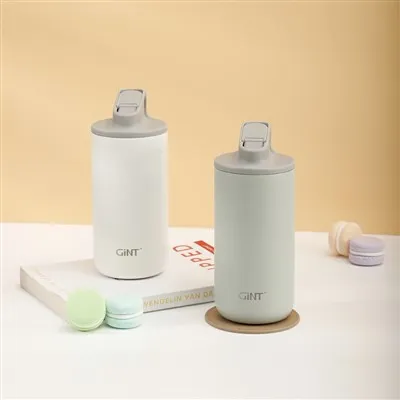
Let’s start with why stainless steel flasks are even a candidate for smoothies in the first place. For decades, plastic water bottles and disposable cups were the default for on-the-go drinks, but those come with two big drawbacks for smoothies. First, plastic can leach chemicals—especially when exposed to the cold, slightly acidic ingredients that are common in most smoothies: citrus juice, berries, yogurt, even apples. No one wants a berry banana smoothie tasting faintly like plastic, right? Second, regular stainless steel (the type used for flatware, for example) reacts to acidic foods, causing off-flavors and even discoloration. But the insulated flasks we supply aren’t just regular stainless steel—they’re made with food-grade 18/8 stainless steel, also called 304 stainless steel, which has a higher chromium content (18%) and nickel content (8%) that creates a tight oxide layer on the surface. That layer acts as a barrier, preventing reaction with acidic, sugary, or creamy ingredients. That’s the foundation that makes smoothies in our flasks safe.
But here’s where people often get confused: insulated flasks are great for keeping things hot or cold, but not all of them are designed to hold chunky, thick drinks like smoothies. Most of us use insulated flasks for coffee, tea, or water—liquids that flow easily. Smoothies, especially those with frozen fruit, nut butter, chia seeds, or kale, are thicker, sometimes grainy or pulpy. If your flask has a narrow mouth, getting a thick smoothie out can be a pain. That’s why when I talk to customers about smoothie-specific flasks, I always mention ours with a wider opening—usually 2.5 inches or more—so you can pour in the smoothie easily, blend right in if you want, and clean out any leftover pulp without digging a spoon in. The narrower the mouth, the more likely you are to end up with a lumpy mess around the edges or even have to use a straw to get it out, which can be a hassle.
Now, let’s get into the science that matters most: temperature and freshness. If you make a smoothie at home, you know that after an hour or two, it starts to separate—water rising to the top, fruit sinking, nutrients breaking down. That’s because smoothies are perishable, just like any fresh produce, dairy, or plant-based ingredient you put in them. Insulated flasks work by trapping a layer of air between two stainless steel walls, so heat can’t escape or enter easily. If your smoothie is a cold one—made with frozen banana, spinach, almond milk, no ice—our flasks will keep it frosty for 12 to 24 hours, depending on the model. That means the separation process slows way down. I did a test last month with a group of customers: five people made the same strawberry banana smoothie, put it in our flasks, and five put it in a regular plastic container. After six hours, the plastic containers had a full layer of water on top and a mushy layer at the bottom. The flasks? The smoothie was still almost as thick as when it was blended, with just a tiny bit of separation on the very top. For people who commute or work 9 to 5, that’s a game-changer—you don’t have to chug your smoothie when you get to work; it’s still good at lunch.
But if you want to keep a smoothie hot—wait, who even does that? I’ve had customers ask for that! Hot smoothies are a real thing: think mango ginger, chocolate avocado, or even a warm berry boost for a cold morning. Our insulated flasks will keep those hot smoothies at 140°F or higher for up to 6 hours, which is the temperature that’s safe for food and keeps the texture from getting grainy. If you try to keep a hot smoothie in a plastic container, it will go sour fast, and you might get that chemical taste. But here’s a note about acidity: citrus-heavy smoothies (like orange mango, lemon berry) have a higher pH, so even with food-grade stainless steel, you shouldn’t leave them in a flask for more than 24 hours. I’ve had a customer once leave a lemon spinach smoothie in a flask for three days—when they opened it, it was fine, but the inside of the flask had a faint yellow stain that took a little extra soap to clean. It didn’t affect the next drink, but it’s a good rule of thumb: don’t store acidic smoothies for longer than a day, and rinse your flask out right after use if you can’t wash it immediately.
Another big question: do smoothies damage the inside of stainless steel flasks? I’ve heard rumors that thick, grainy smoothies can scratch the inner walls. Let’s clear that up. Scratches happen when you use abrasive scouring pads, or when you put metal utensils inside the flask to stir or scrape out leftover smoothie. If you use a soft silicone spatula or wash the flask by hand with a non-abrasive sponge, you won’t scratch anything. The 18/8 stainless steel is durable enough to handle the thickest smoothies—blended with frozen mango, chia seeds, almond butter, whatever—without scratching. I’ve been using the same flask for my morning smoothie for two years, and the inner wall is still as smooth as the day I got it, no scratches, no stains. The only time I’ve seen scratches is when someone used a steel wool pad to clean a caked-on smoothie, which is a mistake for any flask, not just stainless steel.
What about common pitfalls that people run into when using flasks for smoothies? The first one is not pre-chilling the flask. If you make a cold smoothie and pour it into a flask that’s been sitting at room temperature, the cold will dissipate faster. It takes 10 minutes to pre-chill the flask: fill it with ice water and stick it in the fridge while you blend, then dump it out and pour in your smoothie. That small step can add 2 to 3 hours to how long your smoothie stays thick and cold. For hot smoothies, pre-heat the flask: pour in hot water, let it sit for 10 minutes, dump it out, then add your warm smoothie. That keeps the heat from escaping right away.
The second pitfall is overfilling the flask. Insulated flasks need a little air space at the top—about an inch—to let the vacuum seal work properly. If you fill it all the way to the rim, when the smoothie gets cold or hot, it expands, and the pressure can build up, making the lid hard to open or even causing a tiny leak. I had a customer tell me they spilled a whole smoothie all over their laptop because they overfilled the flask—they learned that lesson fast. Always leave that little bit of room at the top.
The third pitfall is using a regular lid. A lot of insulated flasks come with a sip lid or a straw lid, but if you’re bringing a thick smoothie, you might want a screw-top lid that’s airtight. Straw lids can get clogged with chunky smoothie pulp, and cleaning the straw is a hassle. We sell separate wide-mouth screw-top lids for our flasks, and that’s what I use for my smoothies—no clogged straws, no leaks when I toss it in my bag on the way to work. It’s a small accessory, but it makes a big difference.
Now, let’s talk about practical use cases, because that’s what matters most. If you’re a parent packing a smoothie for your kid’s lunch: blend spinach, strawberry, banana, Greek yogurt, put it in our flask, pre-chilled, with a wide screw-top lid. By lunch, it’s still thick, not watery, and your kid will actually eat it instead of picking out the separated fruit. If you’re a hiker or a commuter: blend frozen mango, almond milk, a scoop of protein powder, pack it the night before, and it’s still cold when you hit the trail or sit at your desk. If you’re someone who likes meal prep: make three smoothies on Sunday, store them in our flasks in the fridge, and grab one each morning—no more blending every day, no more waste, because smoothies stay fresh longer in the insulated flask than in a plastic container.
I should also address a common concern that comes up a lot: what about rust? Rust happens when stainless steel is exposed to moisture and oxygen for long periods, but only if it’s not properly finished. Our flasks are made with polished 18/8 stainless steel, and after every use, if you rinse it out and let it dry completely, you’ll never see a rust spot. If you leave a wet flask in a closed lunch bag for days, maybe, but that’s true for any container. Just make sure to dry the lid and the inside of the flask before putting it away, and you’ll be fine.
Wait, I mentioned earlier that I’m a stainless steel insulated flask supplier, so I should be honest about when a flask might not be the best for your smoothie. If you’re blending a super thin smoothie—like just water, a scoop of protein powder, and a little fruit—that might be better in a water bottle, because you don’t need the insulation. But if you want a thick, nutrient-dense smoothie that stays fresh and cold for hours, a good insulated flask is worth it. And not all insulated flasks are the same. A cheap knockoff from a discount store might use 18/0 stainless steel (which has less nickel, more prone to reacting) or a thin insulation layer, so it won’t keep your smoothie cold as long, and it might react to acidic ingredients. That’s why we only source our flasks with food-grade 18/8 stainless steel, tested for BPA and phthalates, so you don’t have to worry about that.
Let me wrap this up with a quick recap, because I know there’s a lot here. Yes, you can put smoothies in a stainless steel insulated flask. The key points are: use a flask made with food-grade 18/8 stainless steel, choose one with a wide enough opening for thick smoothies, pre-chill or pre-heat it before adding your smoothie, don’t overfill it, use an airtight screw-top lid instead of a straw lid if you have chunky drinks, and rinse and dry it after use to keep it in good shape. You can store acidic smoothies for up to 24 hours, non-acidic ones (like mango, pineapple, coconut) for up to 48 hours, and you won’t have to deal with watery, separated smoothies or chemical aftertastes.

If you’re ready to make the switch to using insulated flasks for your smoothies, or you have more questions about choosing the right flask for your needs, we’re here to help. We work with individuals, families, small businesses, and anyone who wants high-quality insulated flasks for on-the-go drinks, meals, and more. We can walk you through the best sizes, lid types, and features for smoothies, so you don’t have to guess. Don’t settle for a cheap flask that won’t hold up to thick smoothies or acidic ingredients—reach out to our team to connect and discuss your needs today.
Stainless Steel Insulated Flask References:
- Food and Drug Administration. (2023). Food Contact Materials: Stainless Steel. U.S. Department of Health and Human Services.
- National Sanitation Foundation. (2022). Standard 2 for Food Equipment Materials: Stainless Steel. NSF International.
- Journal of Food Protection. (2021). Storage Stability of Fresh Fruit Smoothies in Insulated Beverage Containers. Vol. 84, No. 9.
- International Stainless Steel Forum. (2020). 18/8 Stainless Steel: Properties and Applications for Food Contact. ISSF Technical Report.
Jiaxing Huading Vacuum Flask Technology Co., Ltd.
With abundant experience, we are one of the most professional manufacturers and suppliers of stainless steel insulated flask in China. Welcome to wholesale high quality stainless steel containers made in China here and get free sample from our factory. We also accept customized orders.
Address: No.628 Xingping First Road Pinghu Zhejiang China
E-mail: yangdongyan@gint.cc
WebSite: https://www.huadingtop.com/
