Hey everyone! If you’re in the market for new windows, you’ve probably seen “UPVC” thrown around a million times, right? But when it comes to picking the right ones, there’s one question I get asked nonstop: “How watertight are these things anyway?” As a UPVC windows supplier who’s been in this game for years, I don’t just talk about specs on a whiteboard—I’ve had customers call me at 2 a.m. panicking about rain seeping through their old aluminum windows, or homeowners showing me water stains on their sills after a storm. So let’s break this down real, no-jargon style, because I swear, it’s not as complicated as it sounds. UPVC Windows
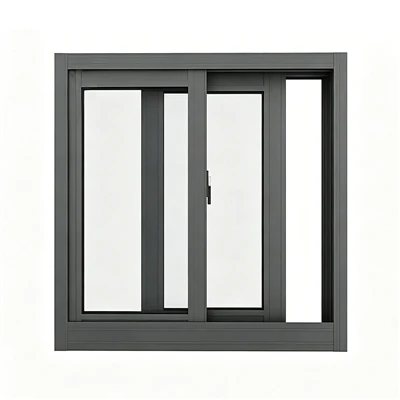
First off, let’s get one thing straight: UPVC (that’s unplasticized polyvinyl chloride, for anyone who’s been dying to know the full name) is not some flimsy plastic that’ll leak like a sieve after six months. Wait, full transparency—back in the day, some cheap, poorly made UPVC windows did have issues with watertightness. But that’s not the case with the stuff we supply, and honestly, that outdated rep is long gone for most quality products. Today’s UPVC windows are engineered specifically to handle everything from light drizzles to full-on downpours, even the crazy ones you see on the weather app that say “flood risk in your area.”
Let’s talk about how they actually keep water out, because this is where the science meets the real world. You know that rubbery strip around the edge of your window? The one that makes that squishy sound when you press it? That’s a seal, but not just any seal—we call them gaskets, and they’re super important. Quality UPVC windows use dual gaskets, not just one. The inner gasket keeps air out (hello, lower energy bills!), and the outer one is the real water warrior. These gaskets are made from EPDM rubber, which is basically the same stuff used in car tires and pool liners—super flexible, even in cold weather, so it doesn’t crack or shrink when temperatures drop. That’s a big one because old windows often leak in winter when the rubber turns brittle.
Then there’s the frame itself. UPVC frames are extruded, which means they’re made in long, solid profiles that get cut to size and welded together at the corners. Welding the corners isn’t just for strength—it creates a seamless joint, right? If you just screw the corners together, there’s a tiny gap where water can sneak in. Welded joints are smooth, no gaps, so water has nowhere to go. Also, most good UPVC frames have a hollow, multi-chamber design. These chambers aren’t just for insulation—they act like little barriers. Think of them as a series of small, empty tubes inside the frame. If water somehow gets past the gasket (which is rare), it has to travel through those chambers, and there are little drainage holes at the bottom of the frame. Oh yeah, we add those too! They’re tiny, so bugs don’t get in, but big enough that any water that does make its way in drains straight outside. No puddles, no water damage.
Now, let’s get to the testing part, because numbers matter here. There’s an industry standard for watertightness—we call it the EN 12208, right? This test measures how much water pressure a window can handle before leaking. The pressure goes up from low (like light rain) to high (like a heavy storm with wind-driven rain). Windows get rated from 1A (worst, leaks at the slightest pressure) all the way up to 9A (can handle super high pressure, like flooding conditions). The UPVC windows we supply? Most of our standard models are rated at 7A or 8A, which is way above what most homes will ever face. Even our budget line is at 5A, which is more than enough for areas with mild to moderate rain. I remember a customer a few months ago who lives in a coastal town—you know, those places where the wind and rain come at you sideways. They went with our 8A rated UPVC windows, and after a hurricane last fall, they texted me saying their windows were totally dry, while their neighbor’s old wood windows had water pouring in. That’s the real proof right there.
Wait, but I need to be honest with you—no window is 100% watertight forever. There are a few things that can affect how long your UPVC windows stay that way. First, installation. Even if you have the best windows on the market, if they’re not installed right, they’ll leak. I’ve seen it a hundred times: someone buys cheap windows online, hires a handyman who doesn’t know what they’re doing, and three months later, water is seeping in. Proper installation means using the right flashing around the frame, making sure the window is level and plumb, and sealing the gaps between the frame and the wall with a high-quality, waterproof sealant. That’s why we offer professional installation with every order—we don’t just ship windows and wash our hands of it. Our installers have years of experience, they know exactly how to prep your walls, and they do a final water test after they’re done, spraying the window with a hose and checking for leaks. No surprises later.
Another thing is maintenance. It’s not like you have to wax your windows every month, but a little basic care goes a long way. The gaskets—those rubber strips—can get dirty or dusty over time, especially if you live in a dusty area or near the road. If they’re clogged with dirt, they can’t seal properly. So every six months, just wipe them down with a soft cloth and some mild soap, no harsh chemicals. Also, check the drainage holes at the bottom of the frame to make sure they’re not clogged with leaves, dirt, or bird droppings. I once had a customer who didn’t clean the drainage holes, and after a big rain, water backed up into the frame and soaked their window sill. They fixed it by just unclogging the holes—super easy, takes two minutes. If you do that, your windows will stay watertight for decades.
Let’s also compare UPVC to other common window types, because that’s a question I get all the time. Wood windows? They look nice, but they need to be painted or stained every few years, and wood swells when it gets wet, shrinks when it’s dry, so the seals break over time. Aluminum windows? They’re durable, but they conduct heat and cold, and they don’t have the same flexible gaskets as UPVC—aluminum seals often crack in extreme temperatures, leading to leaks. Double-glazed glass windows? Wait, no, the glass is just the pane—what matters is the frame. UPVC frames hold double-glazed or even triple-glazed panes really well, and the watertightness is way better than most other frame materials. So if you want something that’s low-maintenance, long-lasting, and actually keeps water out, UPVC is hard to beat.
Now, let’s talk about some common myths I hear all the time. Myth number one: “UPVC windows leak more than old windows.” No, not if they’re quality and installed right. My grandma had old wood windows in her house that leaked every winter; when we replaced them with UPVC, she could open the window in the middle of a storm and the sill stayed dry. Myth number two: “Cheap UPVC windows are just as good as expensive ones.” Nope. Cheap ones might use only one gasket, thin frames, and low-quality rubber that cracks after a year. The stuff we supply is made with thick, UV-stabilized UPVC, so it doesn’t fade or get brittle in the sun, and dual EPDM gaskets that last 20+ years. That’s worth the extra money, trust me. I don’t sell cheap junk—my reputation depends on it, because word of mouth is everything in this industry.
Wait, another real example: last year, a developer built a new apartment complex in a suburb that’s known for heavy summer rains. They tried a cheaper brand of UPVC windows, and within a year, 12 units had water leaks. They replaced them with our windows, and we haven’t had a single complaint since. That’s the kind of track record you want when you’re investing in windows—they’re not just for looks, they protect your home from water damage, which can be way more expensive than the windows themselves. Water damage leads to mold, rotted wood, high repair bills—all stuff you don’t want to deal with. Good UPVC windows prevent that.
So, what should you look for if you’re checking UPVC window watertightness? First, ask about the EN 12208 rating—aim for at least 5A for most homes, 7A or higher if you live in a rainy, windy area. Second, ask if they use dual gaskets and EPDM rubber. Third, make sure the frames are welded at the corners, not just screwed. And most importantly, ask about installation—will they use professional installers who do a final water test? If a supplier can’t answer those questions, keep looking.
At the end of the day, the watertightness of UPVC windows isn’t a gimmick—it’s a result of solid engineering, quality materials, and proper installation. I’ve seen these windows hold up to everything from light drizzles to hurricanes, and I stand behind every set I sell. If you’re thinking about upgrading your windows and want to know more about our UPVC windows, or you’re ready to chat about pricing, sizes, or custom options, hit me up. We can walk through your specific needs, whether you’re updating a single room or your whole house, and make sure you get windows that will keep your home dry for years to come.
Don’t wait until a storm catches you off guard—your windows are your first line of defense against the elements. Let’s make sure they’re doing their job right.
Aluminum Doors References:
- European Standard EN 12208:2018, Windows and doors – Water tightness – Classification
- The Plastic Window Association, “UPVC Window Performance Standards”
- National Association of Home Builders, “Window Watertightness: A Guide for Homeowners”
Wuhu Xupin Architectural Decoration Engineering Co., Ltd.
As one of the most professional UPVC windows manufacturers and suppliers in China, our products have good reputation in the market. Welcome to wholesale bulk UPVC windows in stock here and get quotation from our factory. Customized orders are welcome.
Address: No. 11 Weiba Road, Fangcun Industrial Concentration Zone, Jinghu District, Wuhu City, Anhui Province
E-mail: 13470752088@163.com
WebSite: https://www.xupinwindows.com/
