In the dynamic market of PVC film, the anti – scratch properties are of paramount importance. As a vigilant PVC film supplier, I understand that ensuring the durability and scratch – resistance of our products is crucial not only for customer satisfaction but also for the long – term success of our business. In this blog, I will share a series of strategies and insights on how to improve the anti – scratch properties of PVC film, which are based on both my practical experience and up – to – date industry knowledge. PVC Film

Understanding the Basics of Scratches on PVC Film
Before we delve into the solutions, it’s essential to comprehend the root causes of scratches on PVC film. Scratches can occur during various stages, from manufacturing, transportation, to installation and daily use. Abrasive particles, sharp objects, and even normal friction can leave visible marks on the surface of the film. Different applications of PVC film, such as in the automotive, construction, or packaging industries, expose it to different levels of wear and tear, and thus require varying degrees of scratch – resistance.
1. Material Selection and Modification
The foundation for improving anti – scratch properties starts with the raw materials. High – quality PVC resin is the cornerstone. Selecting a PVC resin with a proper molecular weight and structure can enhance the inherent strength of the film. For instance, resins with a higher molecular weight generally offer better toughness and can resist scratches more effectively.
In addition to the base resin, additives play a vital role. Anti – scratch additives are specifically designed to reduce the coefficient of friction on the film’s surface. These additives can form a thin, protective layer that allows objects to slide over the film rather than digging in and causing scratches. Silicone – based additives are particularly popular in the industry due to their excellent lubricating properties. They can be incorporated into the PVC formulation during the compounding process, typically at a ratio of 0.5% – 3% depending on the required level of scratch – resistance.
Another useful modification is the addition of nano – particles. Nano – silica, for example, can improve the hardness and abrasion resistance of the film. When evenly dispersed in the PVC matrix, these nano – particles can reinforce the structure and create a more resilient surface. The key is to ensure proper dispersion to avoid agglomeration, which can lead to defects in the film.
2. Optimizing the Manufacturing Process
The manufacturing process has a profound influence on the anti – scratch performance of PVC film. Extrusion, for example, is a critical step. Maintaining a stable extrusion temperature is crucial. If the temperature is too low, the PVC may not flow evenly, resulting in a non – uniform surface that is more prone to scratches. On the other hand, excessive temperature can lead to degradation of the material and a reduction in its mechanical properties.
Calendering, another common manufacturing method for PVC film, also needs to be carefully controlled. The pressure and roll speed during calendering affect the smoothness and density of the film. Higher calendering pressures can increase the film’s density, which in turn can improve its scratch – resistance. However, it’s important to find the right balance, as excessive pressure can cause other issues such as film tearing.
Surface treatment during manufacturing can further enhance anti – scratch properties. Coating the PVC film with a hard – coating layer is one effective approach. The hard – coating can be an acrylic or polyurethane – based material. These coatings are applied to the surface of the PVC film after extrusion or calendering. They provide an additional layer of protection against scratches and can also improve other properties such as chemical resistance and gloss.
3. Quality Control and Testing
Rigorous quality control is indispensable in ensuring the anti – scratch performance of PVC film. In – house testing procedures should be implemented at various stages of production. One common test is the scratch resistance test using a standardized scratch tester. This test applies a controlled load and a sharp object to the surface of the film and then measures the depth and width of the resulting scratches. By setting specific acceptance criteria for the scratch size, we can ensure that only films with adequate scratch – resistance are released to the market.
Microscopic examination can also be used to detect any surface defects that may compromise the anti – scratch properties. Electron microscopes can reveal details about the surface topography, such as the presence of small bumps or grooves that could catch on objects and cause scratches. By identifying such defects early in the production process, corrective actions can be taken to improve the quality of the film.
4. Proper Storage and Handling
Even after high – quality PVC film is produced, improper storage and handling can still lead to scratches. When storing the film, it should be protected from dust, dirt, and sharp objects. Rolled PVC film should be stored in a clean, dry environment on suitable racks to prevent damage to the edges and surface.
During transportation, cushions and protective packaging materials should be used to minimize the risk of scratches. For example, placing soft foam sheets between layers of rolled film can absorb shock and prevent abrasive contact. When handling the film, workers should wear gloves to avoid leaving fingerprints and scratches from their hands.
5. Customization for Different Applications
Different industries have different requirements for the anti – scratch properties of PVC film. For the automotive interior industry, where the film may be exposed to frequent contact with passengers and objects, a high – level of scratch – resistance is necessary. We can develop customized PVC films with extremely hard – coating layers and advanced anti – scratch additives for this application.
In the construction industry, PVC film used for window films or wall coverings needs to be resistant to scratches from tools and installation processes. Our R & D team can focus on improving the film’s flexibility and surface hardness to meet these specific needs.
In the packaging industry, the film may be subject to friction during the filling and stacking processes. We can design PVC films with a smooth surface and appropriate anti – scratch properties to ensure that the packaged products remain intact.
Conclusion
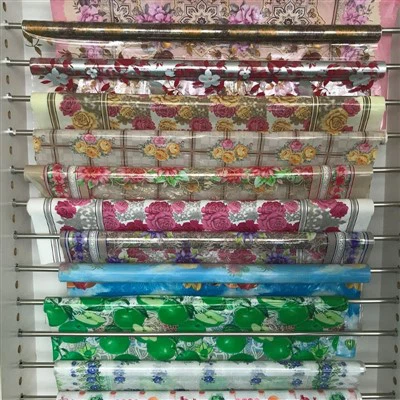
Improving the anti – scratch properties of PVC film is a multi – faceted task that involves material selection, manufacturing process optimization, quality control, proper storage and handling, and customization for different applications. As a PVC film supplier, I am committed to continuously improving the quality of our products. By implementing these strategies, we can provide our customers with PVC films that exhibit excellent scratch – resistance, durability, and performance.
PVC Film If you are interested in our high – quality, scratch – resistant PVC films or have any specific requirements for your project, I encourage you to reach out to us for procurement discussions. We are eager to collaborate with you and provide the best solutions for your needs.
References
- ASTM International standards for PVC film testing.
- Industry research reports on PVC film manufacturing and application.
- Technical papers on polymer additives and their effects on PVC properties.
Nantong Dahe Composite New Material Technology Co., Ltd.
We’re well-known as one of the leading PVC film manufacturers and suppliers in China, specialized in providing high quality customized products to global clients. Please feel free to wholesale cheap PVC film in stock here from our factory. Contact us for quotation and free sample.
Address: South Side of Pinghai Highway, Pinghe Village, Dongshe Town, Tongzhou District, Nantong City, Jiangsu Province, China
E-mail: nantongdahe@outlook.com
WebSite: https://www.cndahetech.com/
